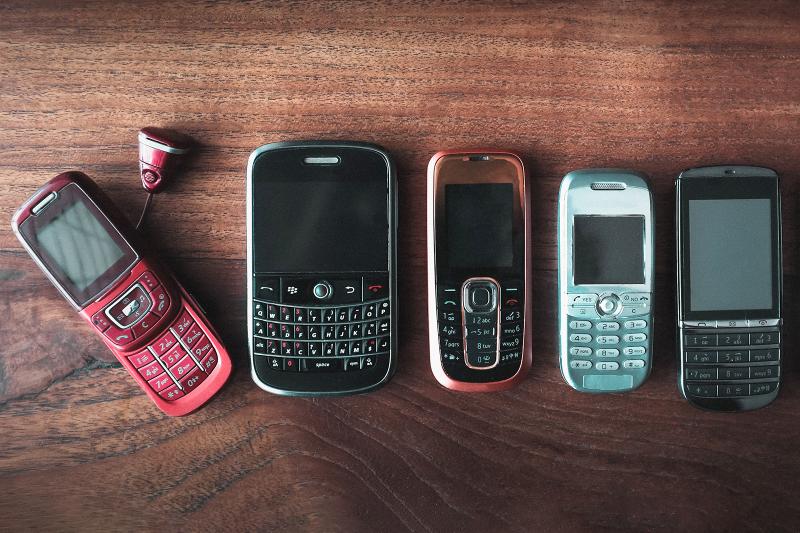
In an era defined by the relentless march of technological progress, where smartphones become obsolete within a year and new features are relentlessly marketed as necessities, a fascinating counter-movement is gaining momentum. A growing number of consumers are consciously turning away from the sleek, homogenous glass slabs of the modern smartphone and are, instead, embracing the nostalgic charm and utilitarian simplicity of old mobile phones. This is not merely a fleeting trend of nostalgia; it is a complex cultural shift, a deliberate “tech-lash” against the always-on, hyper-connected digital culture. The comeback of retro phones is a multifaceted phenomenon driven by digital wellness, a yearning for tangible identity, and surprising practical advantages in our modern world.
This comprehensive exploration will delve into the core reasons behind this revival, profile the iconic devices leading the charge, and provide a practical guide for anyone considering joining the movement. We will uncover why these relics of the past are finding a vital place in our future.
A. The Driving Forces: Why We Are Returning to Yesterday’s Phones
The resurgence of classic mobile devices is not an accident. It is a direct response to the specific pressures and challenges created by the very technology that was supposed to liberate us. The following factors are the primary engines of this retro revolution.
A. The Digital Minimalism and Mental Clarity Movement
The smartphone, for all its benefits, has become a primary source of anxiety, distraction, and time-wasting. The constant barrage of notifications, the infinite scroll of social media, and the pressure to be perpetually available have led to widespread digital fatigue. Retro phones offer a powerful solution. A device like the Nokia 2720 Flip or any classic model without a sophisticated app store fundamentally limits these distractions. It recalibrates the user’s relationship with technology from one of consumption and reaction to one of intention and action. You use the phone to make a call, send a text, or maybe play Snake—not to mindlessly browse for hours. This enforced simplicity creates mental space, reduces stress, and encourages users to be more present in their physical environment.
B. The Unmatched Durability and Legendary “Brick” Phone Reliability
Modern smartphones are marvels of engineering, but they are also incredibly fragile. A single drop can shatter a screen costing hundreds of dollars to repair. They are susceptible to water damage, require daily charging, and their performance often degrades with each software update. In stark contrast, the reputation of older phones, particularly those from brands like Nokia, is built on an almost mythical level of durability. The memes of the “indestructible Nokia 3310” are rooted in truth. These devices were built with polycarbonate shells that could withstand immense punishment. Their batteries could last for days, even weeks, on a single charge. In a world of planned obsolescence, the sheer reliability and ruggedness of these old phones are incredibly appealing. They are tools that work, consistently and without fuss, freeing their owners from the anxiety of a dying battery or a cracked screen.
C. A Powerful Statement of Identity and a Nostalgic Escape
In a market where every new flagship phone looks virtually identical, owning a retro phone is a bold statement of individuality. It is a conscious rejection of conformity. For Generation Z, who grew up in the smartphone era, these devices offer a tangible connection to a recent past they never experienced—a perceived simpler time. For Millennials, it’s a potent dose of nostalgia, a return to their youth, to a time before the pressures of adult life and the 24/7 work cycle enabled by smartphones. The distinct form factors—flips, sliders, and bricks—are tactile and satisfying in a way that a flat screen can never be. The act of flipping a phone open to answer a call or sliding it to reveal a keyboard is a physical ritual that provides a sense of satisfaction absent from today’s touchscreen interactions.
D. Enhanced Privacy and Reduced Data Tracking
Privacy has become a paramount concern in the digital age. Smartphones are data collection powerhouses, tracking your location, your browsing habits, your app usage, and your social connections. This data is used to build detailed profiles for targeted advertising. Older phones, by virtue of their limited capabilities, are inherently more private. They lack the sophisticated sensors and complex operating systems that facilitate this constant surveillance. While they are not completely anonymous (cell network tracking still exists), they offer a significantly reduced digital footprint. For individuals concerned about corporate and government surveillance, using a retro phone as a primary or secondary device is a practical step towards reclaiming their privacy.
E. Surprising Affordability and the “Dumbphone” as a Secondary Device
The financial barrier to owning a flagship smartphone is higher than ever. Furthermore, the cost of repairs, accessories, and data plans adds up. Retro phones, whether purchased as vintage items or newly manufactured re-issues, are remarkably affordable. This makes them an excellent option as a backup phone, a travel phone to avoid roaming charges, or a device for children and elderly relatives who only need core communication functions. The concept of a “dumbphone” or “light phone” is gaining traction as a secondary device to be used intentionally on weekends, during vacations, or after work hours to enforce a healthy work-life balance, a practice often called “digital minimalism.”

B. The Contenders: A Profile of Iconic Retro Phones Making a Comeback
The retro revival is being led by a mix of re-released classics and new devices inspired by the past. Here are some of the most prominent players in this burgeoning market.
A. The King of Nostalgia: Nokia 3310 (2017 Re-release)
HMD Global, the company behind Nokia phones, brilliantly capitalized on the nostalgia wave by re-releasing the iconic 3310 in 2017. While it featured a modern color screen and a basic camera, it retained the beloved design language, the legendary battery life (up to a month on standby!), and the classic game Snake. It served as a perfect gateway device for those curious about the retro phone lifestyle, offering a blend of old-school charm with just enough modern functionality to be usable.
B. The Modern Flip Revolution: Nokia 2720 Flip
This device represents the evolution of the retro concept. The Nokia 2720 Flip is a modern 4G-enabled flip phone that runs a lightweight version of KaiOS. It offers essential smart features like 4G connectivity, GPS, and WhatsApp, but within the constrained, distraction-free form factor of a flip phone. It’s the perfect compromise for those who need basic apps and faster data but want to avoid the full smartphone experience.
C. The Purist’s Choice: The Light Phone
Designed from the ground up as an “anti-smartphone,” the Light Phone takes the concept of digital minimalism to its extreme. This credit-card-sized device does only a few things: it makes calls, it can send a few pre-set text messages, and it has a simple alarm and directional tool. It has no email, no web browser, and no social media. Its purpose is singular: to allow you to be reachable without being consumed. It is a premium, beautifully designed tool for intentional living.
D. The Utilitarian Workhorse: Kyocera Dura Series
While not as nostalgically stylish as a Nokia, phones like the Kyocera Dura XV are beloved for their rugged, no-nonsense functionality. These devices are built to U.S. Military Standard specifications for shock, dust, and water resistance. They often feature physical buttons that can be pressed with gloves on and loud, clear speakers. They are the go-to choice for people in construction, manufacturing, outdoor professions, or anyone who needs a phone that can truly survive anything.
E. The Collector’s Gem: Original Vintage Phones
Beyond new re-releases, there is a thriving market for original vintage phones. Devices like the Motorola StarTAC (the first flip phone), the Nokia N-Gage (a quirky gaming-focused phone), the Sony Ericsson W800i Walkman phone (beloved by music fans), and the BlackBerry Bold (the king of physical QWERTY keyboards) are highly sought after by collectors and enthusiasts. These devices represent specific eras in mobile technology and hold a special place in the hearts of their fans.
C. Making the Switch: A Practical Guide to Integrating a Retro Phone into Your Modern Life
Adopting a retro phone doesn’t have to be an all-or-nothing proposition. For most, a hybrid approach is the most sustainable and practical path forward.
A. The Hybrid Strategy: Dual Carrying
The most popular and effective method is to use two devices. Keep your powerful smartphone for tasks that require it: mobile banking, navigation, photography, and specific work-related apps. Then, for daily communication and to break the addiction cycle, use a retro phone. You can swap the SIM card between devices as needed, or, even better, use a dual-SIM smartphone or a separate, low-cost plan for the retro phone. This allows you to enjoy the benefits of a distraction-free life without completely cutting yourself off from the essential tools a smartphone provides.
B. Essential Modern Features to Look For
If you’re buying a newly manufactured retro phone, prioritize a few key modern features to ensure it remains functional:
-
4G/LTE Connectivity: 2G and 3G networks are being phased out globally. A 4G-capable device is essential for reliable call quality and future-proofing.
-
Hotspot Tethering: This feature can be a lifesaver. It allows your retro phone to share its mobile data connection, turning it into a Wi-Fi hotspot for your laptop or tablet when needed.
-
WhatsApp/KaiOS Support: For many, WhatsApp is a non-negotiable communication tool. Several modern feature phones run KaiOS, which supports a lite version of WhatsApp, bridging a critical gap.
-
Bluetooth: The ability to connect a wireless headset for hands-free calls is a significant quality-of-life improvement.
C. Anticipating the Challenges and Finding Solutions
Be prepared for some friction when you make the switch:
-
The Missing Google Maps: This is often the hardest adjustment. The solution is to plan routes in advance, re-learn how to read physical maps, or use a dedicated GPS device in your car.
-
The Lack of Mobile Payments: You will need to return to using physical credit cards and cash.
-
The Slow Texting: T9 predictive texting is a skill that takes time to re-learn. It can be frustrating at first, but many users find it becomes second nature and even enjoyable over time.
-
The Social Pressure: Be prepared for questions and curious looks from friends and colleagues. This can be a great conversation starter about digital wellness.
D. The Future is Analog (At Least a Little Bit)
The revival of retro mobile phones is far more than a passing fad. It is a meaningful and growing cultural correction. It signals a collective desire to reassess our relationship with technology and to reclaim our time, attention, and mental well-being. These devices remind us that technology should serve us, not master us. They prove that progress isn’t always about adding more features, faster processors, and sharper screens; sometimes, it’s about subtraction. It’s about choosing focus over fragmentation, durability over disposability, and intention over impulse.
As we move further into an increasingly digital and automated future, the value of these analog anchors will only grow. They are not a rejection of technology, but a refinement of it a conscious choice to use the right tool for the right job. The humble retro phone, in its various forms, has re-emerged as the perfect tool for the most important job of all: living a more mindful and present life.