
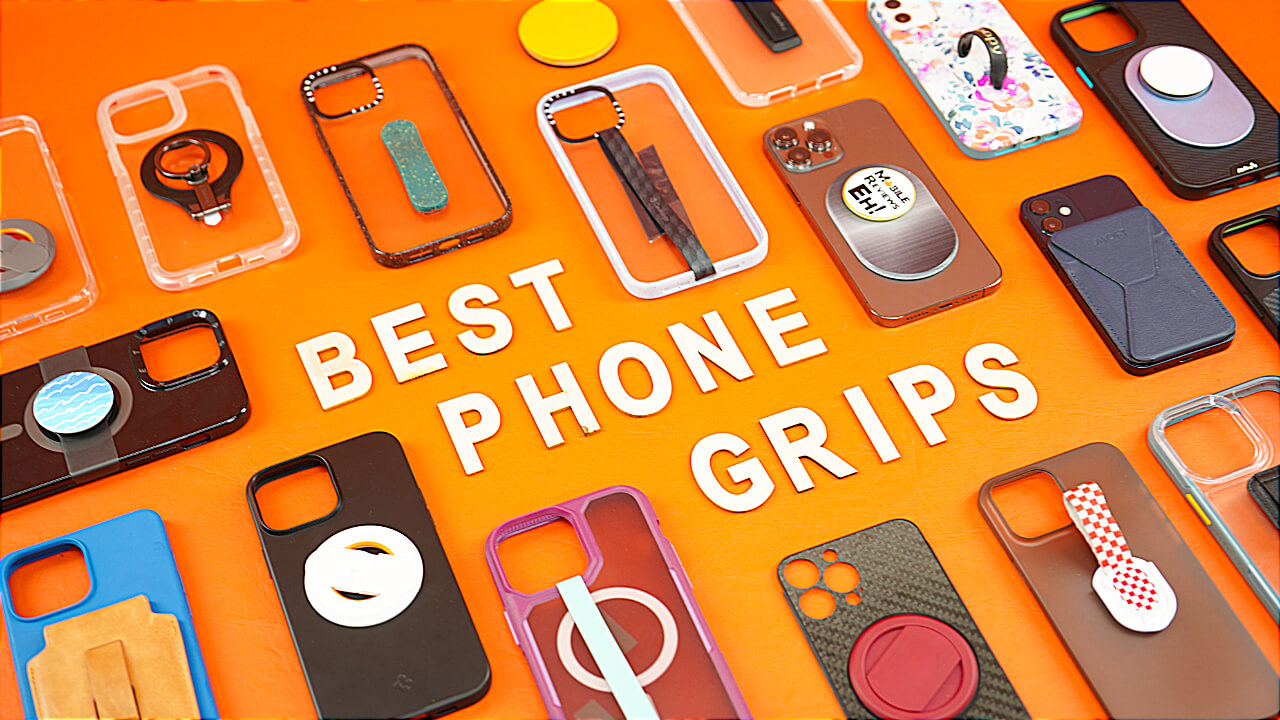
In the ever-evolving landscape of smartphone accessories, few have achieved the ubiquitous, viral status of the modern phone grip. What began as a simple, collapsible plastic disc has exploded into a global phenomenon, adorning the backs of smartphones from bustling city subways to quiet suburban coffee shops. This isn’t just a passing fad; it’s a fundamental shift in how we interact with our most personal piece of technology. These tiny gadgets, often called by their most famous brand name, PopSockets, have become indispensable tools for millions. But what is the real story behind their rise to fame? Why are they so effective, and what should you consider before buying one? This comprehensive guide delves deep into the world of phone grips and stands, exploring their history, benefits, varieties, and their undeniable impact on digital culture, providing you with everything you need to know about this viral phone gadget.
A. The Meteoric Rise of a Simple Idea: From Niche to Necessity
The story of the modern phone grip is a classic tale of innovation born from frustration. The original PopSocket was invented in 2010 by David Barnett, a former professor of philosophy. His initial problem was a tangled pair of earbud cords. He glued two buttons to the back of his phone case to wrap the cords around, but they kept falling off. This led to the iterative development of a collapsible, accordion-style grip that could be stuck on and removed as needed.
The journey from a dorm-room project to a multi-million dollar empire was not instantaneous. It was a perfect storm of several key factors:
A. The Smartphone Revolution: As smartphones grew in size, transitioning from the compact iPhone 4 to the larger “phablets” and today’s near-tablet-sized max models, they became more difficult and precarious to hold. The one-handed grip became a relic of the past, creating a genuine need for a stabilizing accessory.
B. The Power of Social Media and Virality: Platforms like Instagram, TikTok, and Pinterest became the primary showcase for these accessories. Their customizable nature available in thousands of colors, patterns, and even as photo holders—made them highly shareable. They became a form of self-expression, a tiny canvas on the back of one’s phone.
C. Grassroots and Celebrity Endorsement: The product spread organically. People saw them with friends, asked about them, and bought their own. Soon enough, celebrities and influencers were spotted with them, catapulting the humble grip from a practical tool to a must-have fashion accessory.
This convergence of a genuine user need with powerful marketing channels transformed the phone grip from a simple gadget into a cultural and commercial juggernaut.
B. Beyond the Hype: The Multifunctional Benefits of a Phone Grip
While their popularity is clear, their utility is even more compelling. A phone grip is not a one-trick pony; it is a multifunctional device that enhances nearly every aspect of smartphone use.
A. Enhanced Grip and Security: This is the primary and most obvious benefit. By providing a secure anchor point for your fingers, a grip drastically reduces the likelihood of fumbles and catastrophic drops. In a world where a cracked screen can cost hundreds of dollars to repair, a few dollars spent on a grip is a phenomenal insurance policy. It provides confidence when using your phone on the go, over hard surfaces, or while multitasking.
B. Superior Media Consumption and Hands-Free Viewing: The built-in stand functionality is a game-changer for media consumption. Whether you’re watching a video on YouTube, following a recipe in the kitchen, participating in a Zoom call, or binge-watching a series on Netflix, the ability to prop your phone up at the perfect viewing angle is incredibly convenient. It liberates your hands and eliminates the need to hunt for a object to lean your phone against.
C. Ergonomic and Health Advantages: This is an often-overlooked but critical benefit. “Text claw” or “smartphone pinky” are real conditions caused by the awkward ways we contort our hands to support our devices. A grip promotes a more natural, relaxed hand posture, reducing strain on your fingers, wrist, and forearm. For heavy users, this can alleviate and prevent chronic pain associated with prolonged smartphone use.
D. Cable Management Made Simple: The original inspiration for the PopSocket remains a useful feature. The collapsible design allows you to neatly wrap your earphone or charging cable around the base, preventing tangles and keeping your bag or pockets organized.
E. A Canvas for Personal Expression: In an age of mass-produced technology, phone grips offer a rare opportunity for personalization. With designs ranging from minimalist marble to glittering sequins, licensed characters, abstract art, and even custom-printed photos, your grip can be an extension of your personality, interests, and style.
C. A Deep Dive into the Types of Phone Grips and Stands
The market has matured significantly, offering a diverse range of grips to suit every preference and need. Understanding the different types is key to choosing the right one for you.
A. The Classic Collapsible Grip (e.g., PopSocket):
* How it Works: Features an accordion-style mechanism that pops open for use and collapses flat against the phone when not needed.
* Pros: Highly versatile (grip and stand), vast array of designs, widely available.
* Cons: Can snag on pocket linings, the adhesive may wear out over time, not always compatible with wireless charging unless removed.
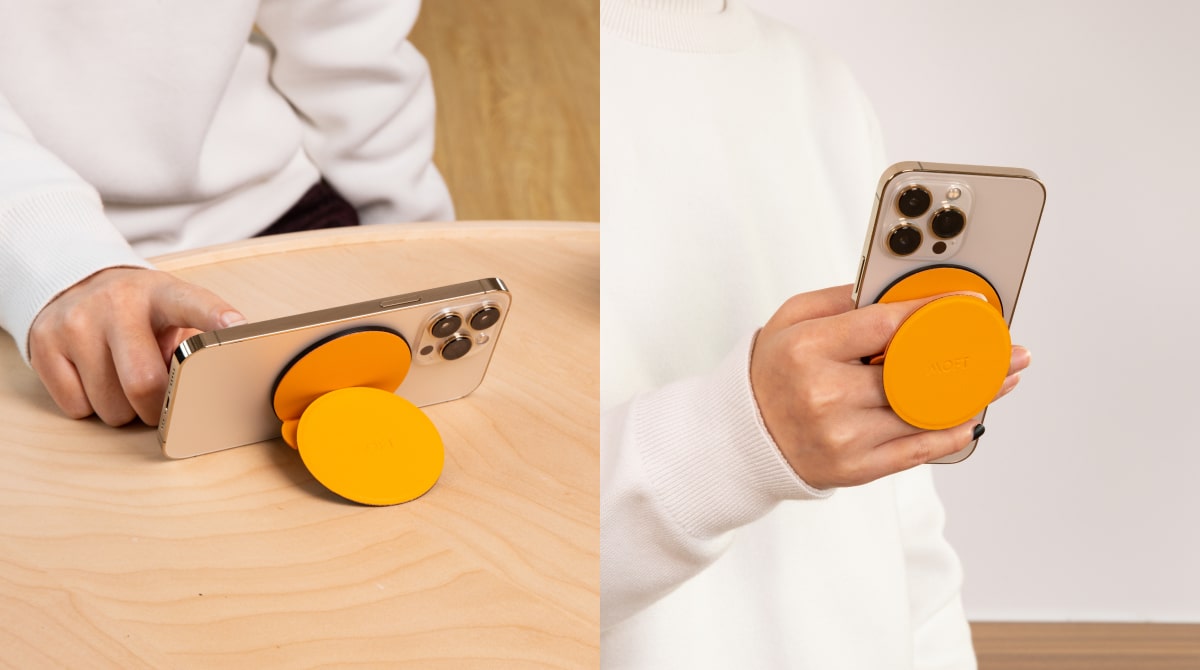
B. The Magnetic Ecosystem Grip (e.g., MagSafe for iPhone, and universal alternatives):
* How it Works: Utilizes a powerful ring of magnets that securely attaches to a corresponding magnetic case or ring on the phone. The grip itself is often removable.
* Pros: Seamless compatibility with magnetic wireless chargers (you don’t have to remove it). Allows for quick attachment and detachment. Enables a wider ecosystem of accessories like car mounts and wallet attachments.
* Cons: Requires a compatible magnetic case or phone (like iPhone 12 and newer). Typically a more expensive ecosystem to enter.
C. The Sleek, Low-Profile Ring Holder:
* How it Works: A simple, rotatable ring fixed to a base that adheres to the phone. Your finger slips through the ring for a secure grip.
* Pros: Very slim profile, less likely to snag. Often allows for 360-degree rotation for flexible viewing angles. Many are compatible with wireless charging.
* Cons: Generally does not function as a stable stand for landscape viewing. The single finger loop may not be comfortable for all hand sizes.
D. The Versatile Strap-Based Holder:
* How it Works: Features a strap or lanyard, often made of silicone or elastic, that you slide your hand through.
* Pros: Distributes the phone’s weight across the back of your hand, offering perhaps the most secure grip of all, ideal for active users or those constantly on the move. Can be more comfortable for prolonged use.
* Cons: Bulkier design. Does not typically function as a stand. Can be less aesthetically pleasing than other options.
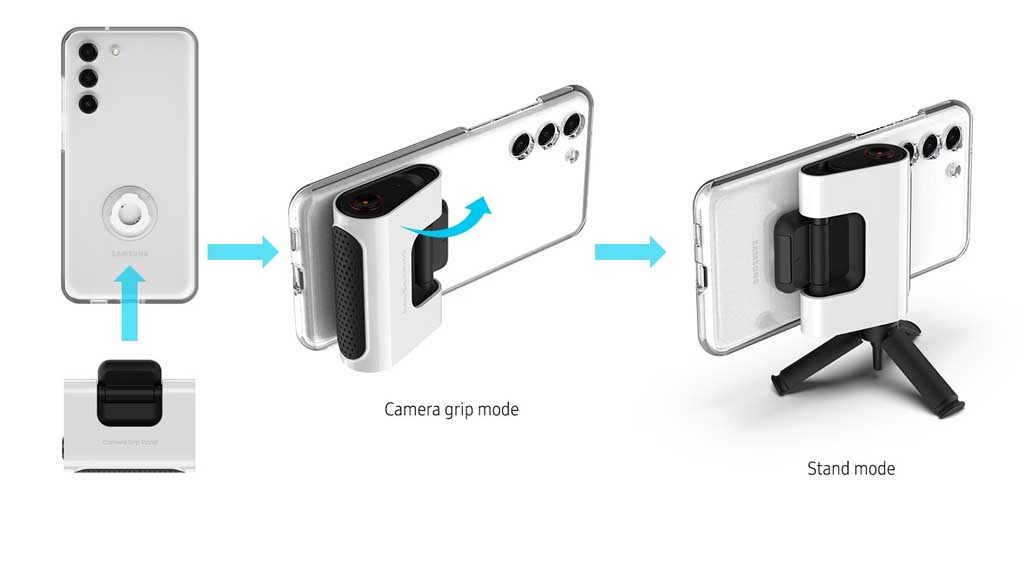
E. The All-in-One Grip, Stand, and Card Holder:
* How it Works: These are more complex accessories that combine a grip mechanism with a slot to hold a few essential cards, like an ID and a credit card.
* Pros:
* Cons:
D. How to Choose the Perfect Phone Grip: A Buyer’s Checklist
With so many options available, making a choice can be daunting. Use this checklist to guide your decision.
A. Compatibility with Your Phone and Case:
* Adhesive vs. Magnetic: Do you prefer to stick a grip directly onto your case, or are you invested in a magnetic ecosystem like MagSafe?
* Case Material: Adhesives bond best with smooth, hard plastic cases. They may not adhere well to silicone, textured, or heavily curved cases.
* Wireless Charging: This is a critical consideration. If you use wireless charging, ensure the grip you choose is either low-profile enough, removable, or specifically designed to be compatible (like magnetic grips).
B. Prioritizing Your Primary Need:
* Maximum Security: If preventing drops is your top priority, a strap-based holder or a classic collapsible grip offers the most secure purchase for your fingers.
* Media Viewing: If you frequently watch videos, a classic collapsible grip or a sturdy ring that can double as a landscape stand is your best bet.
* Everyday Convenience and Ergonomics: For general use aimed at reducing hand strain, a classic grip or a low-profile ring will serve you well.
C. Evaluating Design and Aesthetic Appeal:
* Consider the size, color, and pattern. Do you want it to be a bold statement or blend in discreetly?
* Think about the material: plastic, metal, silicone, or even sustainable materials like bamboo.
D. Assessing Durability and Long-Term Value:
* Read reviews about the adhesive’s longevity. Many brands offer replacement adhesives.
* Check the mechanism’s durability. How many times can it be popped open and closed before it weakens?
* Consider the brand reputation. While generic brands are cheaper, official brands often have better quality control and customer support.
E. Installation, Maintenance, and Troubleshooting Common Issues
To get the most out of your phone grip, proper installation and care are essential.
A. The Golden Rule of Installation:
1. Clean the Surface: Use the provided alcohol wipe (or a small amount of isopropyl alcohol on a cloth) to thoroughly clean the area where the grip will be placed. Ensure it is completely free of dust, oil, and lint.
2. Choose the Right Spot: Place it slightly off-center, typically where your index or middle finger naturally rests when holding the phone. Avoid placing it directly over camera lenses or fingerprint sensors. Ensure it doesn’t interfere with your wireless charging coil if applicable.
3. Apply Firm Pressure: Press the grip firmly onto the surface for at least 30 seconds. Do not use the grip or attach it to a magnetic mount for at least 1-2 hours to allow the adhesive to fully cure.
B. Maintaining the Adhesive:
* If the grip becomes less sticky, gently wash the adhesive with soap and water, let it air dry completely, and it should regain its tackiness.
* You can purchase third-party replacement adhesive pads online if the original one fails.
C. Troubleshooting Common Problems:
* Grip Won’t Stick: The surface is likely not clean enough, or the case material is incompatible. Try a different case or use a stronger third-party adhesive.
* Interferes with Wireless Charging: For non-magnetic grips, you will likely have to remove it every time you charge. This is the biggest drawback of many adhesive-based models. The solution is to switch to a magnetic, low-profile, or removable grip.
* Mechanism Feels Loose: Over time, the collapsing mechanism can wear out. If it’s under warranty, contact the manufacturer. Otherwise, it may be time for a replacement.
F. The Future of Phone Grips: What’s Next?
The phone grip market shows no signs of slowing down. Innovation continues to drive new trends and features. We can expect to see:
A. Deeper Integration with Phone Ecosystems: Magnetic systems will become even more sophisticated, with smarter attachments that could potentially interact with the phone’s software.
B. Focus on Advanced Materials: A push towards more sustainable, biodegradable, and premium materials like recycled plastics, metals, and composites.
C. Added Functionality: We will see more grips incorporating additional features like built-in trackers (e.g., Tile or Apple AirTag functionality), small batteries for emergency power, or even integrated stylus holders.
D. Fashion and High-End Collaborations: The trend of phone grips as fashion accessories will intensify, with more high-end designers and brands releasing their own licensed lines, cementing their status as a legitimate style component.
Conclusion: More Than Just a Gadget
The viral phone grip is far more than a fleeting trend. It is a brilliantly simple solution to the very real problems created by our modern, large-screen smartphones. It provides security, comfort, and convenience in a small, affordable, and customizable package. From preventing expensive accidents to making our daily digital rituals more enjoyable, its value is undeniable. Whether you opt for a classic collapsible model, a sleek magnetic system, or a secure strap, integrating a phone grip into your life is one of the easiest and most impactful upgrades you can make to your smartphone experience. It has firmly gripped its place in our culture and on our devices, and it’s here to stay.